Spa Resort Hawaiians Site Map
welcome Specials Amusement Accommodations Charges Q & A Access Operating Hours  
Hawaiians History
April 1, 1965 Foundation of "Joban Music and Dance Institute"
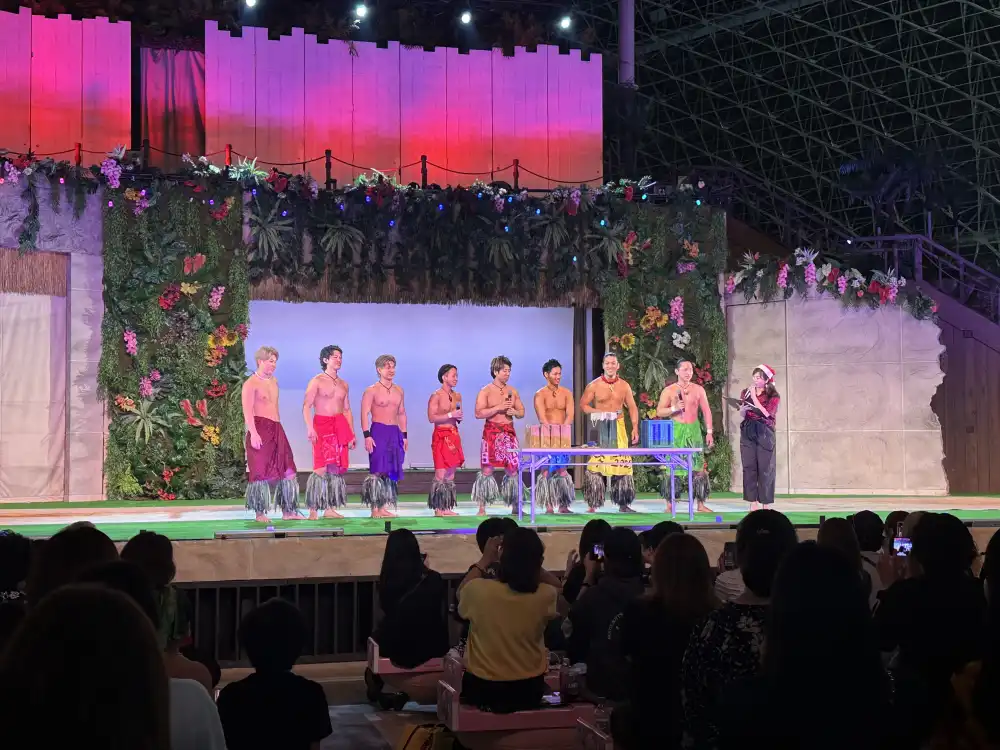
The Institute opened as Japan's first technical school for flamenco and Polynesian dance as authorized by the Fukushima Governor and employs instructors from various fields and spectrums.Cultivating dancers exclusively dedicated for the stage that act as main attractions began at the Institute.
January 15, 1961 Opening of "Joban Hawaiian Center"
The Center was the first resort facility and first theme park ever to open in Japan, and had as its image "The Dream Island, Hawaii," utilizing hot springs sprung from underground from the Joban Mine period.
Admission fee in those days was 350 yen. Aloha shirts and muumuus that were popular as souvenirs were 300 yen each."Let's go to Hawaii with 1,000 yen in hand" was used as a catch phrase.
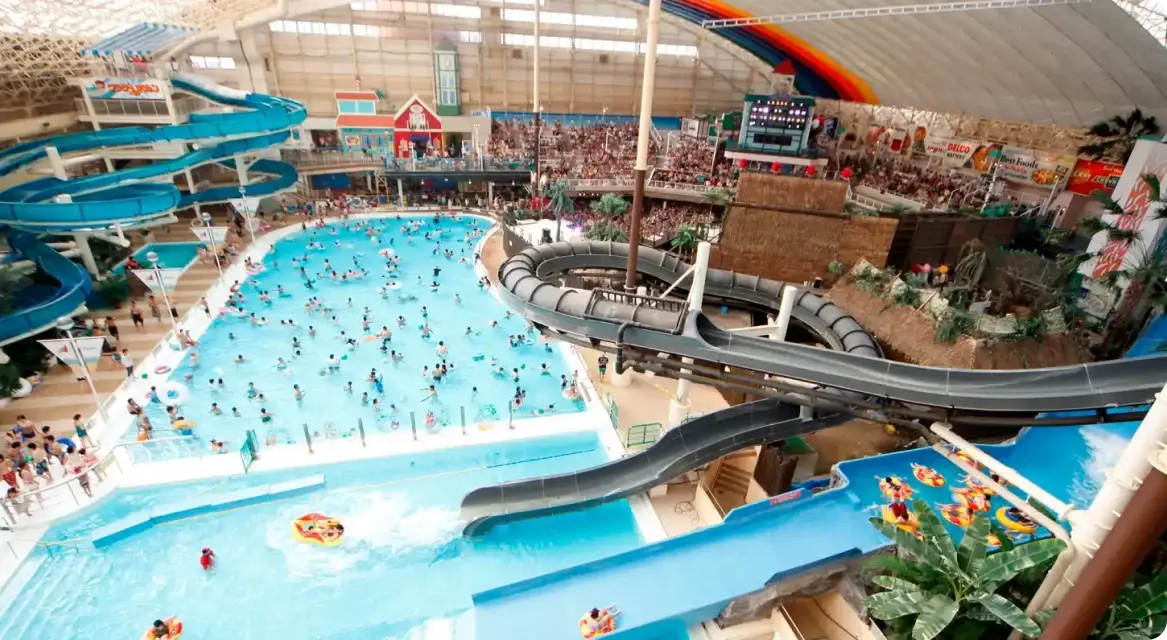
A 7,000 giant dome that was the original form of the present "Water Park" had been a major feature of Hawaiians since its opening. The largeness in scale gained good reputation. In addition, palm trees that were said to be difficult to grow in the north-east were grown utilizing the geothermal heat of hot springs. The impressive existence of real natural tropical plants were reproduced in the big dome, which was the first trial in Japan and hence played a pioneering role. Among these plants, banana trees boasted the biggest popularity. Since bananas on trees was a sight rarely seen, it was constantly surrounded by people.
The number of visitors in the first fiscal year was 2,000~3,000 on weekdays and about 10,000 on Sundays. Visitors reached about 1.2 million throughout the year.
According to the research of Japan Tourism Association in 1964, "Hawaii" was the country most desired to be visited by the public. However, such responses as "I don't have an opportunity" and "I can't go" were received, a condition that is unimaginable nowadays.
1966 Opening of "Kanko Hotel"
1966 Opening of "Rest House"
1967 Opening of a tropical botanical garden, "Banana Garden"
1967 Opening of an open-air rock bath house, "Niagara Bath"
1968 Opening of "Sankaikan" in Isohara-cho, Kitaibaraki City
1970 Opening of "Golden Bath"
1970 The number of annual visitors surpasses 1.55 million
Popularity reached its peak in the fifth year after its opening
1978 Opening of Japan's first "indoor flowing pool"
1984 Opening of "Hotel Chuo-kan"
1985 Opening of "Little Turk's Pool"
1986 Opening of a convention hall, "Rapeter"
1986 Consecration of St. Sparkhill Church
1986 Opening of "Wonder Horn"
1987 Opening of "Wonder River"
1988 Opening of "Hotel Minami #2"
1988 Winning of "1988 Business Department Award, Implementation Award, and Deming Prize"
This was the first Deming Prize to be received in the service industry. The Prize is presented by the Deming Prize Committee (Office: Union of Japanese Scientists and Engineers) to companies that have implemented statistical quality control and have been approved for their outstanding improvement of performances.
1989 Opening of "Crest Hills Golf Club" as an official golf course
1990 Opening of "Spring Park"
1990 "Joban Hawaiian Center" changes to "Spa Resort Hawaiians"
"Spring Park" was opened, with an investment of 5 billion yen in total construction expenses. At the same time, the name loved for years, "Joban Hawaiian Center" was changed to "Spa Resort Hawaiians."
1992 Opening of "Hotel Crest Sapporo" near northern exit of Sapporo Station as the hotel most closest to mainland Japan
1994 Opening of "Hotel Minami #3"
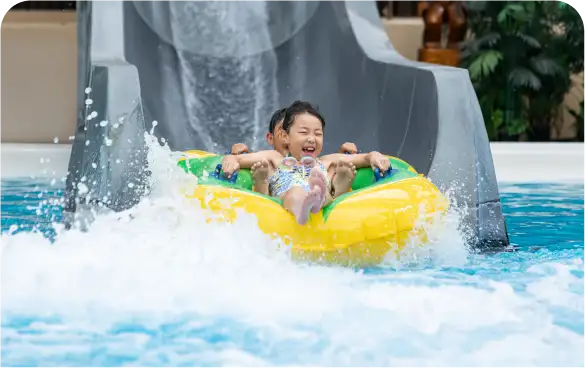
1994 Renewal opening of "Water Park"
A symbol of the present Water Park, "Paradise," was constructed
1994 Opening of "Wonder Black"
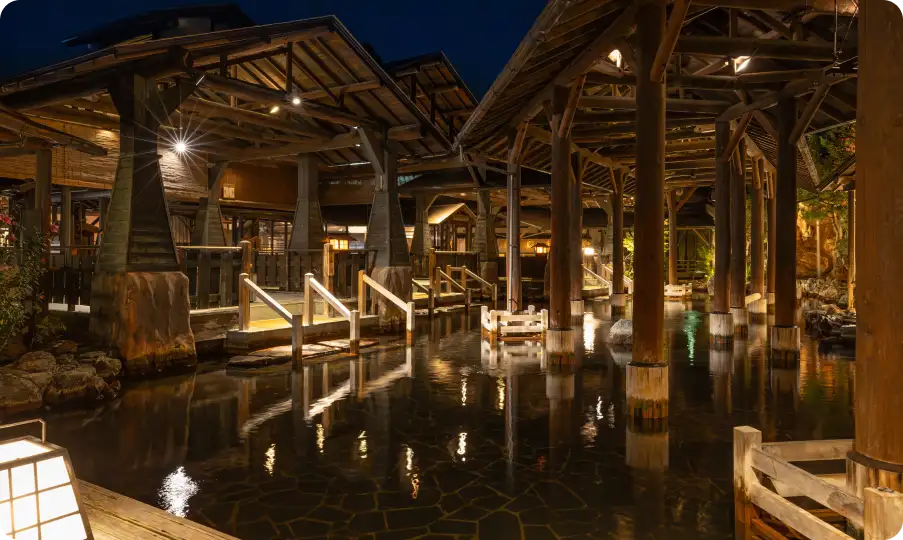
1997 Opening of "Edo Jowa Yoichi," the biggest open-air bath house
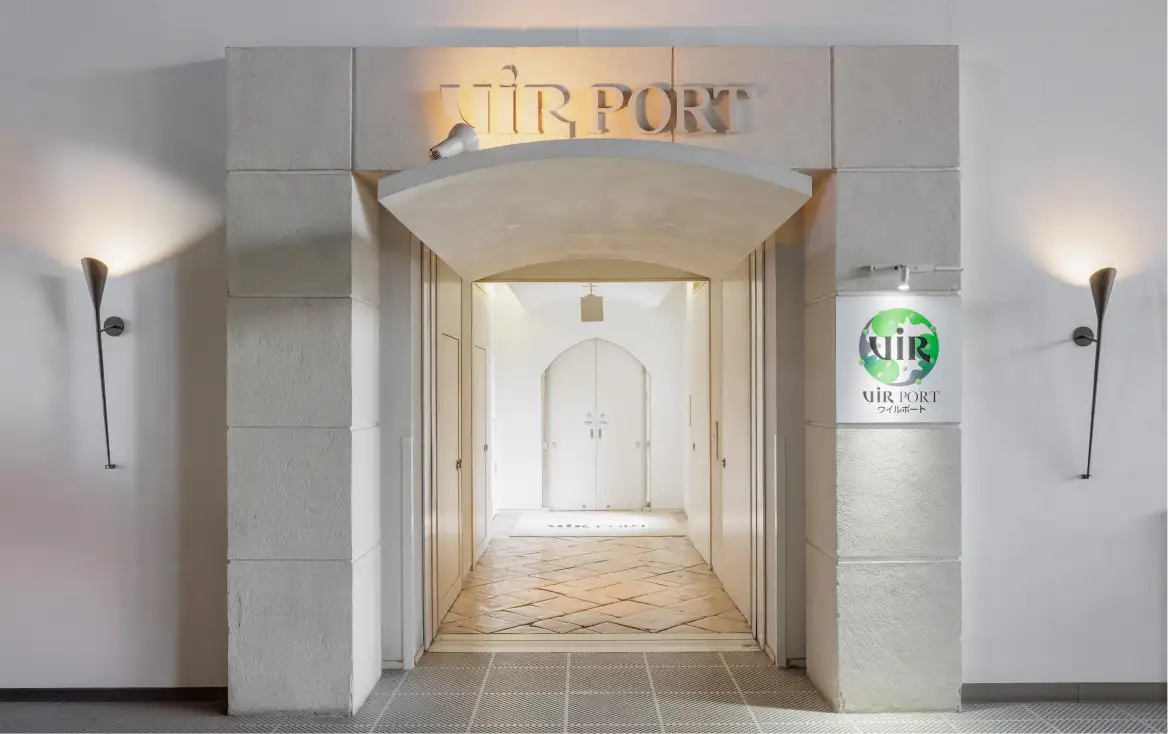
1999 Opening of ViR PORT
2001 Opening of "Spa Garden PAREO"
2002 Cumulative number of visitors since the opening of Joban Hawaiian Center surpasses 45 million
Year-on-year increase in annual number of visitors recorded for five straight years
Company Overview Hawaiians History Contact Us Privacy Policy