

 Today's Opening hours
10:00~21:30
Today's Opening hours
10:00~21:30
Today's Opening hours
10:00~21:30
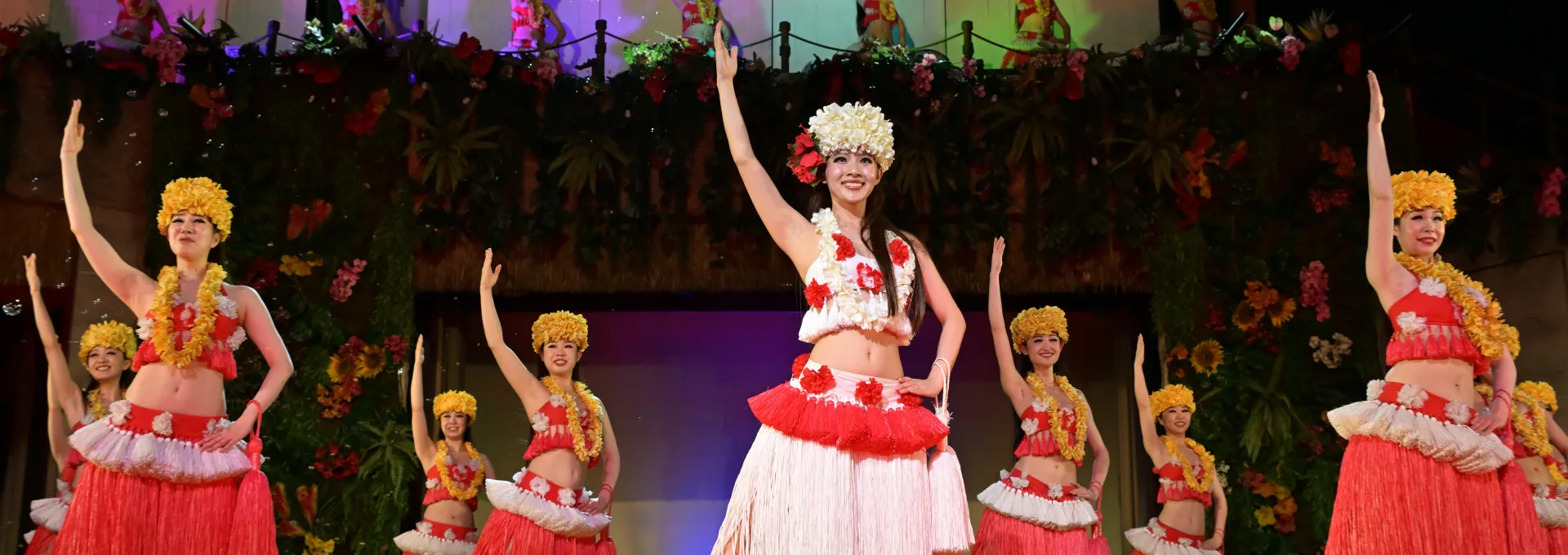

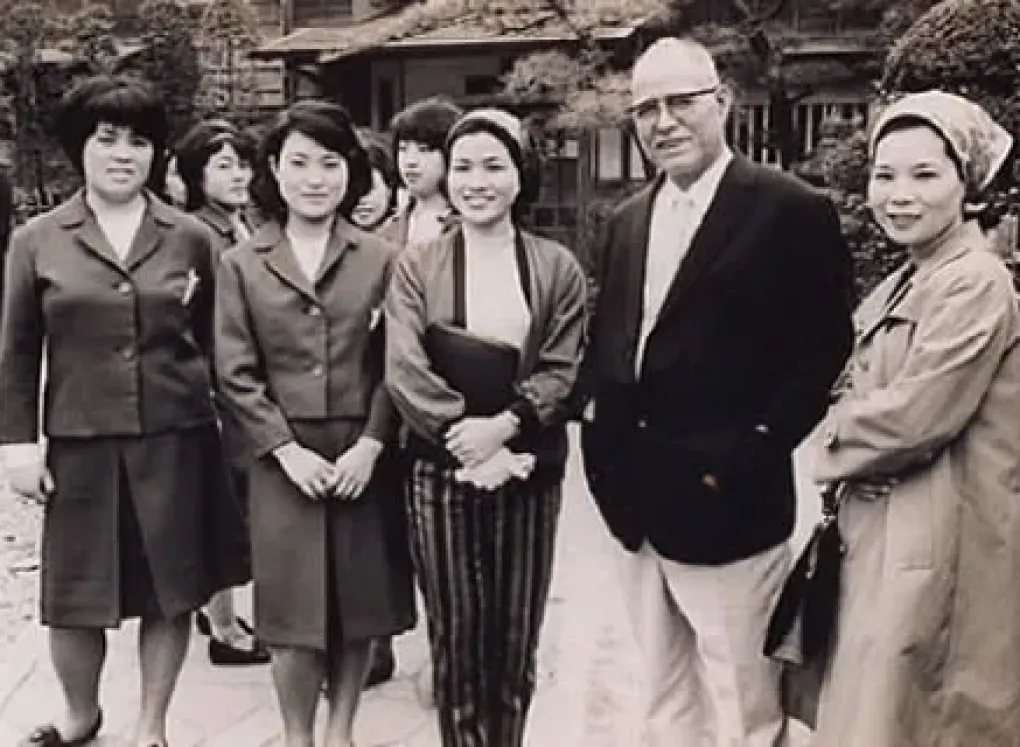
In the late 1950s, when the wave of the energy revolution from coal to oil swept over the area, Joban Coal Mine faced the threat of closure of its coal mines. In order to protect its employees and their families, the company made a complete turnaround, "from coal mining to tourism," and opened Japan's first theme park, Joban Hawaiian Center, in January 1966. One of the attractions of the park was a Polynesian show, centered around hula dancing.
The then Vice President, Yutaka Nakamura, who was at the heart of this major project, decided that all employees of the center would be related to the coal mines, and in April 1965 he established the Tokiwa Music and Dance Academy, a vocational school to train dancers.
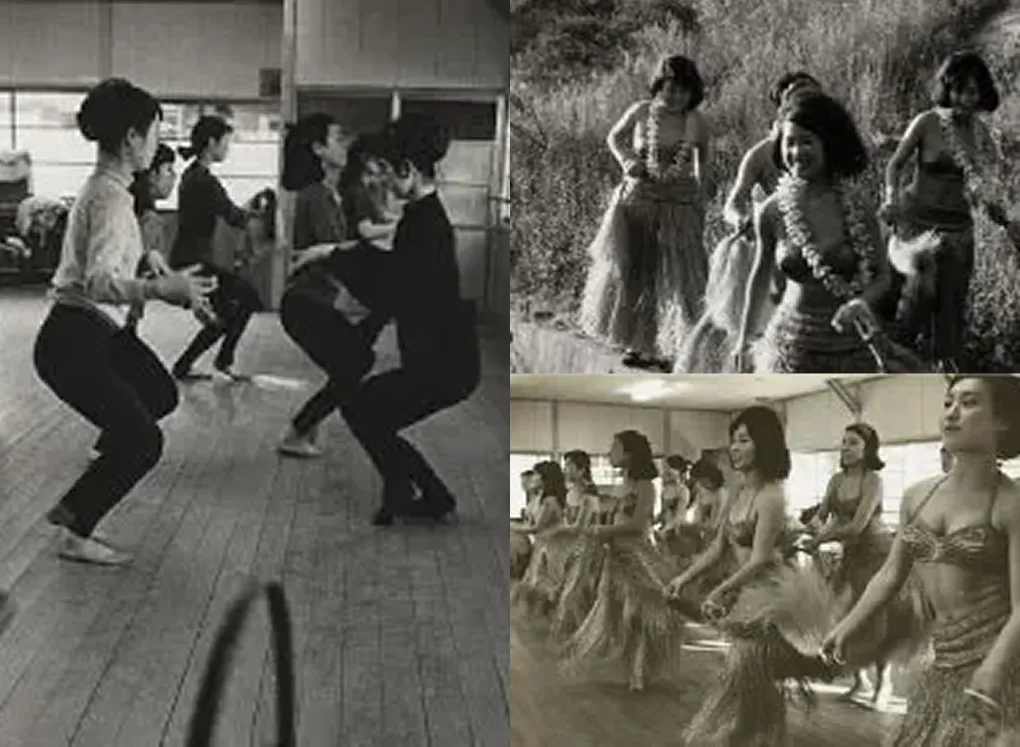
At the time, hula dancing was not well known, and most people felt uncomfortable with young women dancing in public with their belly buttons exposed, so it was difficult to gather participants. However, 18 children of people involved in the coal mining industry showed up, and lessons began.
The girl was taught dance by Kaleinani Hayakawa, a professional dancer based in Tokyo. After eight months of intense training, the group held their inaugural performance at Sankei Hall in Tokyo in December, which was a huge success.
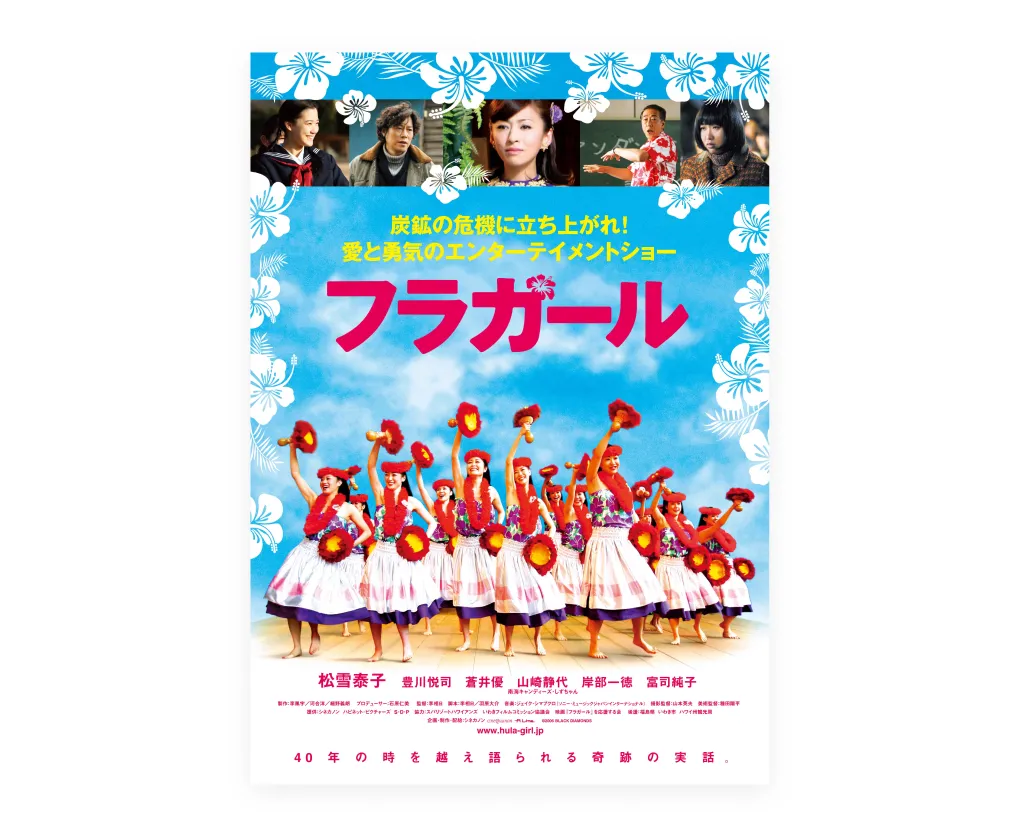
In 18, the film "Hula Girls," depicting the founding of the Tokiwa Hawaiian Center, was released. It won numerous awards, including the Best Picture Award at the 30th Japan Academy Prize, and was a huge hit, attracting an audience of 125 million people. This film helped to spread awareness of the dancing team nationwide, and the name "Hula Girls" became widely known. It also attracted many aspiring members from all over the country.

On March 11, 2011, the Great East Japan Earthquake struck. Spa Resort Hawaiians was forced to close, and the hula girls lost their place to dance. Nevertheless, they launched the Hula Girls Nationwide Kizuna Caravan to help rebuild their hometown of Iwaki, which was suffering from the negative publicity caused by the nuclear accident, and to show their energetic side. Between May and October, they gave 247 performances in 125 locations, including 26 prefectures across Japan and Seoul, South Korea, inspiring and inspiring many people.
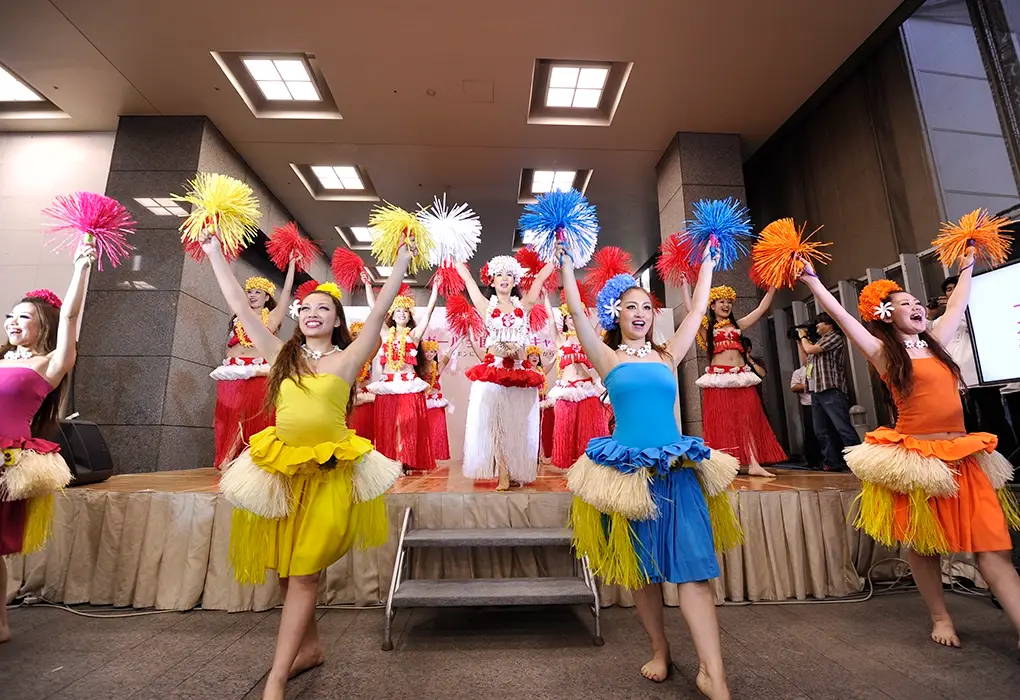
During the closure due to the spread of COVID-19, the hula girls took the lead in thinking about "what we can do now," and used social media to post hula videos and message relays. Even though they couldn't see their customers' faces, they continued their activities to bring smiles and energy to people all over the country, such as by holding online shows.
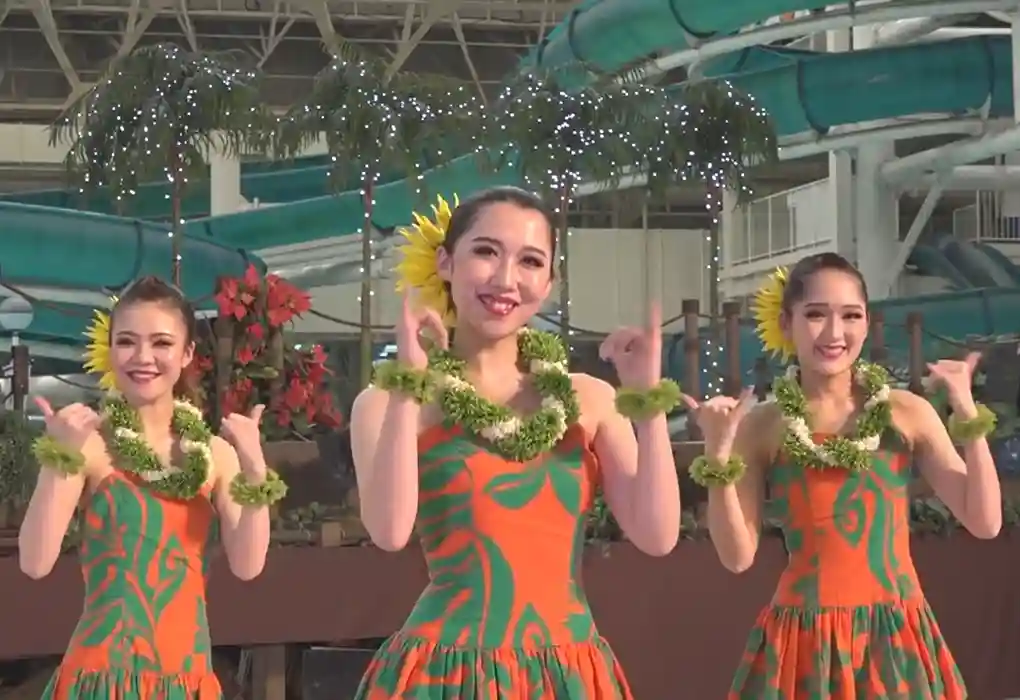
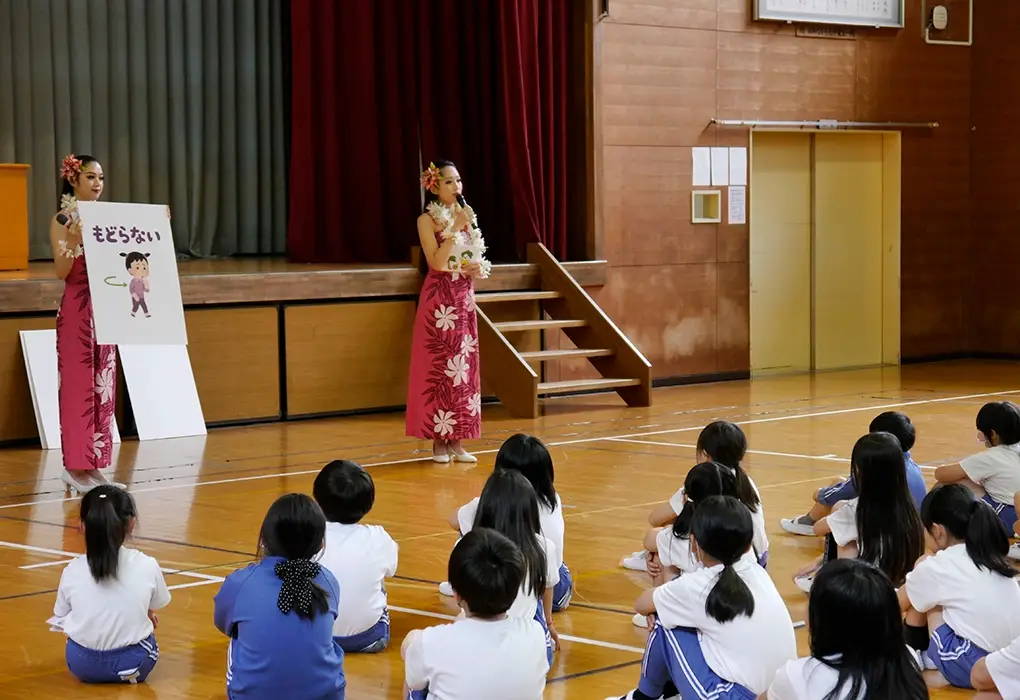
To commemorate the 60th anniversary of the founding of Joban Music and Dance Academy, the Hula Girls Kizuna School 2024 was held. The school visited elementary schools in all 59 cities and towns in Fukushima Prefecture, and taught children from generations that did not experience the Great East Japan Earthquake the importance of living a resilient life for the future, with the theme of "the power to survive."

Reservation system
Unreserved seats available
Experience the "spirit of aloha" that is infused into each and every performance of 17 songs that express the traditions and culture of Hawaii and other Polynesian islands, along with lively and powerful live music.
| period | every day |
|---|---|
| Time | 13: 30 ~ (about 30 minutes) |
| Place | Water Park Beach Theater |

Reservation system
The show will be centered around Tahitian dance and will feature the performance of our exclusive band, the Etenetahitians, creating a powerful and uniting experience, and a new show that will "touch your heart" with more dynamism and passion than ever before.
| period | every day |
|---|---|
| Time | 16: 00 ~ (about 20 minutes) |
| Place | Spring Park Plaza |

Reservation system
The show title "Haku" refers to the weaving technique used to make leis. The show is structured around the image of weaving love for a loved one into the leis and nurturing them with care.
| period | every day |
|---|---|
| Time | 20: 30 ~ (about 50 minutes) *There may be an additional performance at 19:00 PM |
| Place | Water Park Beach Theater |

 hotel reservation
 Show Reservations
 Ticket reservations
 Other various reservations
 Golf course reservations
 What is Hawaiians?
 Price
Price Access
 Free bus for hotel guests only
 FAQ
FAQ


